
Vitamin B9 (Folic Acid) Research:market size is projected to reach USD 0.18 billion by 2032
クレジット

イラストレーター
Vitamin B9 (Folic Acid) Research:market size is projected to reach USD 0.18 billion by 2032
QY Research Inc. (Global Market Report Research Publisher) announces the release of 2025 latest report “Vitamin B9 (Folic Acid)- Global Market Share and Ranking, Overall Sales and Demand Forecast 2026-2032”. Based on current situation and impact historical analysis (2020-2024) and forecast calculations (2026-2032), this report provides a comprehensive analysis of the global Vitamin B9 (Folic Acid) market, including market size, share, demand, industry development status, and forecasts for the next few years.
The global market for Vitamin B9 (Folic Acid) was estimated to be worth US$ 122 million in 2025 and is projected to reach US$ 174 million, growing at a CAGR of 5.3% from 2026 to 2032.
【Get a free sample PDF of this report (Including Full TOC, List of Tables & Figures, Chart)】
https://www.qyresearch.com/reports/5496181/vitamin-b9--folic-acid
**Vitamin B9 (Folic Acid) Market: Growth Dynamics and Industry Outlook**
1. **Definition of Vitamin B9 (Folic Acid)**
Vitamin B9, commonly known as folic acid, is a water-soluble B vitamin essential for numerous physiological functions. It occurs naturally in certain foods, is widely added to fortified products, and is also available as a dietary supplement.
Folic acid plays a critical role in DNA synthesis, cell division, and red blood cell formation. It is particularly important during periods of rapid growth, such as pregnancy and infancy, making it a vital nutrient in global public health and nutrition strategies.
2. **Global Market Overview and Forecast (2021–2032)**
The global Vitamin B9 (folic acid) market is experiencing steady growth, driven by rising awareness of nutritional health and increasing demand for dietary supplementation.
The market is projected to reach approximately USD 0.18 billion by 2032, expanding at a compound annual growth rate (CAGR) of 5.6% during the forecast period.
In terms of product segmentation, feed-grade folic acid currently represents the largest share, reflecting its extensive use in animal nutrition. From an application perspective, the feed industry remains the dominant segment, supported by growing demand for livestock health and productivity.
The competitive landscape is moderately concentrated, with several key manufacturers maintaining strong market positions and collectively accounting for a significant share of global revenue.
3. **Industry Development Trends**
(1) **Rising Global Demand for Nutritional Supplementation**
Increasing health awareness is driving the demand for folic acid, particularly among pregnant women and women of childbearing age for the prevention of neural tube defects. At the same time, the elderly population, individuals with chronic diseases, and those with weakened immune systems are emerging as important consumer groups.
The expansion of food fortification policies worldwide is further accelerating the incorporation of folic acid into staple foods such as flour, dairy products, and functional beverages.
(2) **Technological Advancements in Production**
While chemical synthesis remains the primary production method, bio-fermentation is gaining attention as a more sustainable and environmentally friendly alternative.
Emerging technologies, including microencapsulation and nanotechnology, are enhancing the stability and bioavailability of folic acid, enabling manufacturers to develop higher-value and differentiated products.
(3) **Product Innovation and Diversification**
The market is shifting from basic folic acid supplements toward complex nutritional formulations. Manufacturers are increasingly developing multifunctional products that combine folic acid with other vitamins, minerals, or bioactive ingredients to address broader health needs.
(4) **Expansion Across Application Scenarios**
Folic acid applications are expanding beyond maternal health into areas such as elderly nutrition, sports nutrition, and functional foods. This diversification is broadening consumption scenarios and unlocking new growth opportunities.
4. **Key Market Drivers**
(1) **Demographic and Fertility Factors**
The continued need for prenatal nutrition remains a core driver of the market. Additionally, the growing aging population is contributing to increased demand for micronutrient supplementation.
(2) **Increasing Health Awareness**
Consumers are placing greater emphasis on preventive healthcare and daily nutrition, leading to higher adoption of vitamin supplements, including folic acid.
(3) **Advancements in Production and Formulation Technologies**
Innovations in production methods and formulation technologies are improving product quality, stability, and efficacy, thereby enhancing market competitiveness.
(4) **Growth in Functional Foods and Nutritional Products**
The rising popularity of functional foods and fortified products is expanding the application scope of folic acid and increasing its market value.
5. **Market Challenges**
(1) **Intense Market Competition and Price Pressure**
The market is highly competitive, with a high degree of product standardization, particularly in chemically synthesized folic acid. Price competition can limit profit margins and hinder brand differentiation.
(2) **Production and Cost Constraints**
The development of high-purity and naturally derived folic acid, especially through bio-fermentation, involves higher costs and technical complexity. Advanced technologies also require significant investment and long development cycles.
(3) **Consumer Awareness and Adoption Barriers**
Despite increasing awareness, some consumer groups—such as men and the elderly—still have limited understanding of folic acid’s benefits. In addition, maintaining consistent long-term supplementation remains a behavioral challenge.
(4) **Stability and Quality Control Issues**
Folic acid is sensitive to environmental factors such as light, heat, and oxygen, which can lead to degradation and reduced efficacy. Enhancing stability through advanced formulations improves performance but also increases production complexity and cost.
6. **Future Outlook**
The Vitamin B9 (folic acid) market is poised for stable and sustainable growth, supported by global health trends, technological innovation, and expanding application fields.
As the industry continues to evolve, the focus will shift toward higher-value products, improved bioavailability, and integrated nutritional solutions. The convergence of advanced production technologies and diversified applications will further strengthen the role of folic acid in modern healthcare and nutrition systems.
7. **Conclusion**
Vitamin B9 (folic acid) remains a fundamental component of global nutrition and public health.
Driven by increasing awareness, technological progress, and expanding application scenarios, the market is transitioning from basic supplementation to more advanced and diversified nutritional solutions.
In the coming years, companies that invest in innovation, product differentiation, and sustainable production technologies will be best positioned to capture emerging opportunities and drive long-term growth.
The report provides a detailed analysis of the market size, growth potential, and key trends for each segment. Through detailed analysis, industry players can identify profit opportunities, develop strategies for specific customer segments, and allocate resources effectively.
The Vitamin B9 (Folic Acid) market is segmented as below:
By Company
DSM
Jiangxi Tianxin
Zhejiang Shengda
Niutang
Changzhou Xinhong
Jiheng Pharmaceutical
Changzhou Pharmaceutical
Segment by Type
Feed Grade
Food Grade
Pharmaceutical Grade
Segment by Application
Feed Industry
Food Industry
Cosmetic, Health Supplements and Medicine
Each chapter of the report provides detailed information for readers to further understand the Vitamin B9 (Folic Acid) market:
Chapter 1: Introduces the report scope of the Vitamin B9 (Folic Acid) report, global total market size (valve, volume and price). This chapter also provides the market dynamics, latest developments of the market, the driving factors and restrictive factors of the market, the challenges and risks faced by manufacturers in the industry, and the analysis of relevant policies in the industry. (2021-2032)
Chapter 2: Detailed analysis of Vitamin B9 (Folic Acid) manufacturers competitive landscape, price, sales and revenue market share, latest development plan, merger, and acquisition information, etc. (2021-2026)
Chapter 3: Provides the analysis of various Vitamin B9 (Folic Acid) market segments by Type, covering the market size and development potential of each market segment, to help readers find the blue ocean market in different market segments. (2021-2032)
Chapter 4: Provides the analysis of various market segments by Application, covering the market size and development potential of each market segment, to help readers find the blue ocean market in different downstream markets.(2021-2032)
Chapter 5: Sales, revenue of Vitamin B9 (Folic Acid) in regional level. It provides a quantitative analysis of the market size and development potential of each region and introduces the market development, future development prospects, market space, and market size of each country in the world..(2021-2032)
Chapter 6: Sales, revenue of Vitamin B9 (Folic Acid) in country level. It provides sigmate data by Type, and by Application for each country/region.(2021-2032)
Chapter 7: Provides profiles of key players, introducing the basic situation of the main companies in the market in detail, including product sales, revenue, price, gross margin, product introduction, recent development, etc. (2021-2026)
Chapter 8: Analysis of industrial chain, including the upstream and downstream of the industry.
Chapter 9: Conclusion.
Benefits of purchasing QYResearch report:
Competitive Analysis: QYResearch provides in-depth Vitamin B9 (Folic Acid) competitive analysis, including information on key company profiles, new entrants, acquisitions, mergers, large market shear, opportunities, and challenges. These analyses provide clients with a comprehensive understanding of market conditions and competitive dynamics, enabling them to develop effective market strategies and maintain their competitive edge.
Industry Analysis: QYResearch provides Vitamin B9 (Folic Acid) comprehensive industry data and trend analysis, including raw material analysis, market application analysis, product type analysis, market demand analysis, market supply analysis, downstream market analysis, and supply chain analysis.
and trend analysis. These analyses help clients understand the direction of industry development and make informed business decisions.
Market Size: QYResearch provides Vitamin B9 (Folic Acid) market size analysis, including capacity, production, sales, production value, price, cost, and profit analysis. This data helps clients understand market size and development potential, and is an important reference for business development.
Other relevant reports of QYResearch:
Global Vitamin B9 (Folic Acid) Market Outlook, In‑Depth Analysis & Forecast to 2032
Global Vitamin B9 (Folic Acid) Sales Market Report, Competitive Analysis and Regional Opportunities 2026-2032
Global Vitamin B9 (Folic Acid) Market Research Report 2026
Global Vitamin B9 (Folic Acid) API Market Outlook, In‑Depth Analysis & Forecast to 2032
Global Vitamin B9 (Folic Acid) API Sales Market Report, Competitive Analysis and Regional Opportunities 2026-2032
Vitamin B9 (Folic Acid) API- Global Market Share and Ranking, Overall Sales and Demand Forecast 2026-2032
Global Vitamin B9 (Folic Acid) API Market Research Report 2026
About Us:
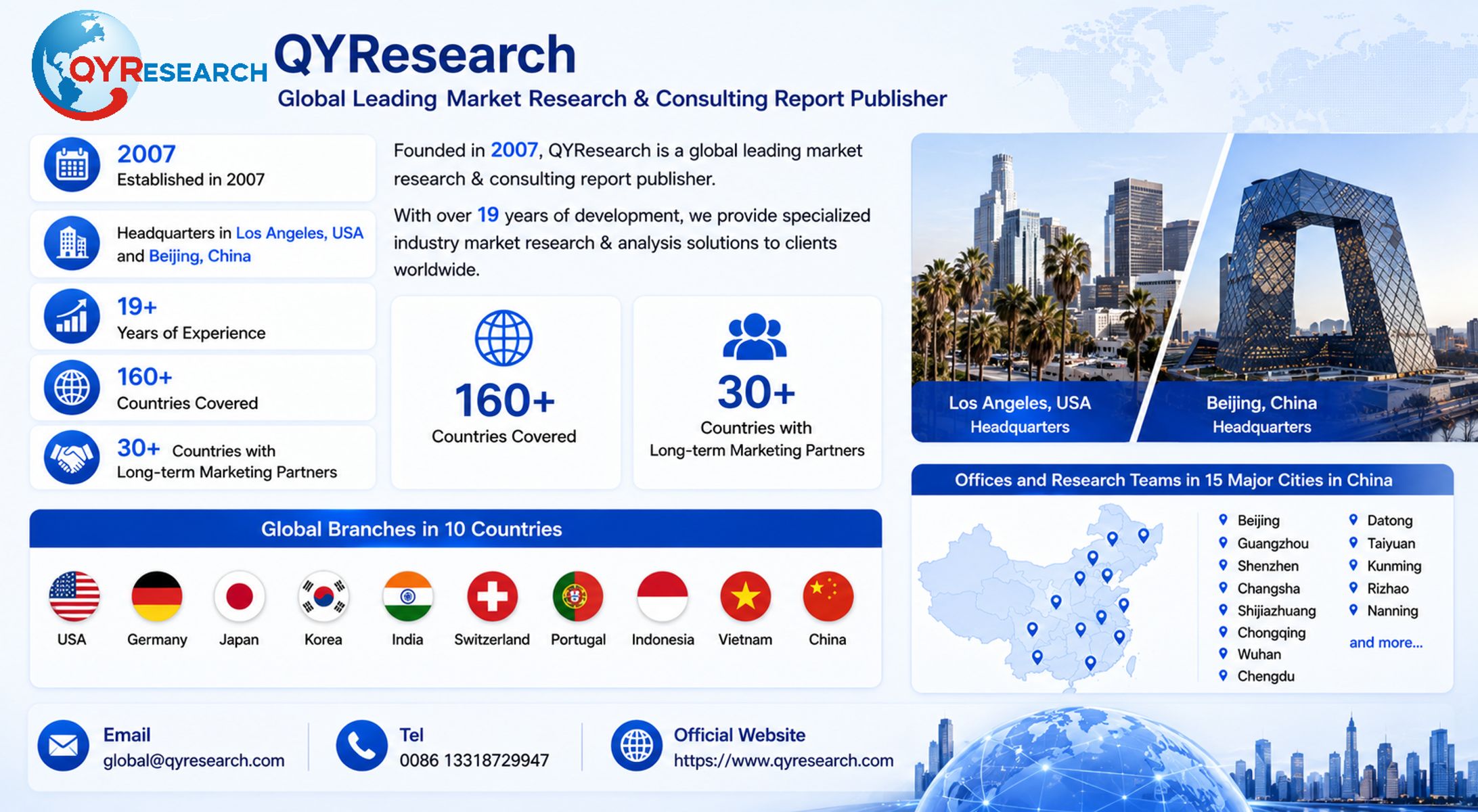
QYResearch founded in California, USA in 2007, which is a leading global market research and consulting company. Our primary business include market research reports, custom reports, commissioned research, IPO consultancy, business plans, etc. With over 19 years of experience and a dedicated research team, we are well placed to provide useful information and data for your business, and we have established offices in 7 countries (include United States, Germany, Switzerland, Japan, Korea, China and India) and business partners in over 30 countries. We have provided industrial information services to more than 60,000 companies in over the world.
Contact Us:
If you have any queries regarding this report or if you would like further information, please contact us:
QY Research Inc.
Add: 17890 Castleton Street Suite 369 City of Industry CA 91748 United States
EN: https://www.qyresearch.com
Email: global@qyresearch.com
Tel: 001-626-842-1666(US)
JP: https://www.qyresearch.co.jp
クレジット
イラストレーター


あなたのforiioを無料で作成
Vitamin B9 (Folic Acid) Research:market size is projected to reach USD 0.18 billion by 2032
QY Research Inc. (Global Market Report Research Publisher) announces the release of 2025 latest report “Vitamin B9 (Folic Acid)- Global Market Share and Ranking, Overall Sales and Demand Forecast 2026-2032”. Based on current situation and impact historical analysis (2020-2024) and forecast calculations (2026-2032), this report provides a comprehensive analysis of the global Vitamin B9 (Folic Acid) market, including market size, share, demand, industry development status, and forecasts for the next few years.
The global market for Vitamin B9 (Folic Acid) was estimated to be worth US$ 122 million in 2025 and is projected to reach US$ 174 million, growing at a CAGR of 5.3% from 2026 to 2032.
【Get a free sample PDF of this report (Including Full TOC, List of Tables & Figures, Chart)】
https://www.qyresearch.com/reports/5496181/vitamin-b9--folic-acid
**Vitamin B9 (Folic Acid) Market: Growth Dynamics and Industry Outlook**
1. **Definition of Vitamin B9 (Folic Acid)**
Vitamin B9, commonly known as folic acid, is a water-soluble B vitamin essential for numerous physiological functions. It occurs naturally in certain foods, is widely added to fortified products, and is also available as a dietary supplement.
Folic acid plays a critical role in DNA synthesis, cell division, and red blood cell formation. It is particularly important during periods of rapid growth, such as pregnancy and infancy, making it a vital nutrient in global public health and nutrition strategies.
2. **Global Market Overview and Forecast (2021–2032)**
The global Vitamin B9 (folic acid) market is experiencing steady growth, driven by rising awareness of nutritional health and increasing demand for dietary supplementation.
The market is projected to reach approximately USD 0.18 billion by 2032, expanding at a compound annual growth rate (CAGR) of 5.6% during the forecast period.
In terms of product segmentation, feed-grade folic acid currently represents the largest share, reflecting its extensive use in animal nutrition. From an application perspective, the feed industry remains the dominant segment, supported by growing demand for livestock health and productivity.
The competitive landscape is moderately concentrated, with several key manufacturers maintaining strong market positions and collectively accounting for a significant share of global revenue.
3. **Industry Development Trends**
(1) **Rising Global Demand for Nutritional Supplementation**
Increasing health awareness is driving the demand for folic acid, particularly among pregnant women and women of childbearing age for the prevention of neural tube defects. At the same time, the elderly population, individuals with chronic diseases, and those with weakened immune systems are emerging as important consumer groups.
The expansion of food fortification policies worldwide is further accelerating the incorporation of folic acid into staple foods such as flour, dairy products, and functional beverages.
(2) **Technological Advancements in Production**
While chemical synthesis remains the primary production method, bio-fermentation is gaining attention as a more sustainable and environmentally friendly alternative.
Emerging technologies, including microencapsulation and nanotechnology, are enhancing the stability and bioavailability of folic acid, enabling manufacturers to develop higher-value and differentiated products.
(3) **Product Innovation and Diversification**
The market is shifting from basic folic acid supplements toward complex nutritional formulations. Manufacturers are increasingly developing multifunctional products that combine folic acid with other vitamins, minerals, or bioactive ingredients to address broader health needs.
(4) **Expansion Across Application Scenarios**
Folic acid applications are expanding beyond maternal health into areas such as elderly nutrition, sports nutrition, and functional foods. This diversification is broadening consumption scenarios and unlocking new growth opportunities.
4. **Key Market Drivers**
(1) **Demographic and Fertility Factors**
The continued need for prenatal nutrition remains a core driver of the market. Additionally, the growing aging population is contributing to increased demand for micronutrient supplementation.
(2) **Increasing Health Awareness**
Consumers are placing greater emphasis on preventive healthcare and daily nutrition, leading to higher adoption of vitamin supplements, including folic acid.
(3) **Advancements in Production and Formulation Technologies**
Innovations in production methods and formulation technologies are improving product quality, stability, and efficacy, thereby enhancing market competitiveness.
(4) **Growth in Functional Foods and Nutritional Products**
The rising popularity of functional foods and fortified products is expanding the application scope of folic acid and increasing its market value.
5. **Market Challenges**
(1) **Intense Market Competition and Price Pressure**
The market is highly competitive, with a high degree of product standardization, particularly in chemically synthesized folic acid. Price competition can limit profit margins and hinder brand differentiation.
(2) **Production and Cost Constraints**
The development of high-purity and naturally derived folic acid, especially through bio-fermentation, involves higher costs and technical complexity. Advanced technologies also require significant investment and long development cycles.
(3) **Consumer Awareness and Adoption Barriers**
Despite increasing awareness, some consumer groups—such as men and the elderly—still have limited understanding of folic acid’s benefits. In addition, maintaining consistent long-term supplementation remains a behavioral challenge.
(4) **Stability and Quality Control Issues**
Folic acid is sensitive to environmental factors such as light, heat, and oxygen, which can lead to degradation and reduced efficacy. Enhancing stability through advanced formulations improves performance but also increases production complexity and cost.
6. **Future Outlook**
The Vitamin B9 (folic acid) market is poised for stable and sustainable growth, supported by global health trends, technological innovation, and expanding application fields.
As the industry continues to evolve, the focus will shift toward higher-value products, improved bioavailability, and integrated nutritional solutions. The convergence of advanced production technologies and diversified applications will further strengthen the role of folic acid in modern healthcare and nutrition systems.
7. **Conclusion**
Vitamin B9 (folic acid) remains a fundamental component of global nutrition and public health.
Driven by increasing awareness, technological progress, and expanding application scenarios, the market is transitioning from basic supplementation to more advanced and diversified nutritional solutions.
In the coming years, companies that invest in innovation, product differentiation, and sustainable production technologies will be best positioned to capture emerging opportunities and drive long-term growth.
The report provides a detailed analysis of the market size, growth potential, and key trends for each segment. Through detailed analysis, industry players can identify profit opportunities, develop strategies for specific customer segments, and allocate resources effectively.
The Vitamin B9 (Folic Acid) market is segmented as below:
By Company
DSM
Jiangxi Tianxin
Zhejiang Shengda
Niutang
Changzhou Xinhong
Jiheng Pharmaceutical
Changzhou Pharmaceutical
Segment by Type
Feed Grade
Food Grade
Pharmaceutical Grade
Segment by Application
Feed Industry
Food Industry
Cosmetic, Health Supplements and Medicine
Each chapter of the report provides detailed information for readers to further understand the Vitamin B9 (Folic Acid) market:
Chapter 1: Introduces the report scope of the Vitamin B9 (Folic Acid) report, global total market size (valve, volume and price). This chapter also provides the market dynamics, latest developments of the market, the driving factors and restrictive factors of the market, the challenges and risks faced by manufacturers in the industry, and the analysis of relevant policies in the industry. (2021-2032)
Chapter 2: Detailed analysis of Vitamin B9 (Folic Acid) manufacturers competitive landscape, price, sales and revenue market share, latest development plan, merger, and acquisition information, etc. (2021-2026)
Chapter 3: Provides the analysis of various Vitamin B9 (Folic Acid) market segments by Type, covering the market size and development potential of each market segment, to help readers find the blue ocean market in different market segments. (2021-2032)
Chapter 4: Provides the analysis of various market segments by Application, covering the market size and development potential of each market segment, to help readers find the blue ocean market in different downstream markets.(2021-2032)
Chapter 5: Sales, revenue of Vitamin B9 (Folic Acid) in regional level. It provides a quantitative analysis of the market size and development potential of each region and introduces the market development, future development prospects, market space, and market size of each country in the world..(2021-2032)
Chapter 6: Sales, revenue of Vitamin B9 (Folic Acid) in country level. It provides sigmate data by Type, and by Application for each country/region.(2021-2032)
Chapter 7: Provides profiles of key players, introducing the basic situation of the main companies in the market in detail, including product sales, revenue, price, gross margin, product introduction, recent development, etc. (2021-2026)
Chapter 8: Analysis of industrial chain, including the upstream and downstream of the industry.
Chapter 9: Conclusion.
Benefits of purchasing QYResearch report:
Competitive Analysis: QYResearch provides in-depth Vitamin B9 (Folic Acid) competitive analysis, including information on key company profiles, new entrants, acquisitions, mergers, large market shear, opportunities, and challenges. These analyses provide clients with a comprehensive understanding of market conditions and competitive dynamics, enabling them to develop effective market strategies and maintain their competitive edge.
Industry Analysis: QYResearch provides Vitamin B9 (Folic Acid) comprehensive industry data and trend analysis, including raw material analysis, market application analysis, product type analysis, market demand analysis, market supply analysis, downstream market analysis, and supply chain analysis.
and trend analysis. These analyses help clients understand the direction of industry development and make informed business decisions.
Market Size: QYResearch provides Vitamin B9 (Folic Acid) market size analysis, including capacity, production, sales, production value, price, cost, and profit analysis. This data helps clients understand market size and development potential, and is an important reference for business development.
Other relevant reports of QYResearch:
Global Vitamin B9 (Folic Acid) Market Outlook, In‑Depth Analysis & Forecast to 2032
Global Vitamin B9 (Folic Acid) Sales Market Report, Competitive Analysis and Regional Opportunities 2026-2032
Global Vitamin B9 (Folic Acid) Market Research Report 2026
Global Vitamin B9 (Folic Acid) API Market Outlook, In‑Depth Analysis & Forecast to 2032
Global Vitamin B9 (Folic Acid) API Sales Market Report, Competitive Analysis and Regional Opportunities 2026-2032
Vitamin B9 (Folic Acid) API- Global Market Share and Ranking, Overall Sales and Demand Forecast 2026-2032
Global Vitamin B9 (Folic Acid) API Market Research Report 2026
About Us:
QYResearch founded in California, USA in 2007, which is a leading global market research and consulting company. Our primary business include market research reports, custom reports, commissioned research, IPO consultancy, business plans, etc. With over 19 years of experience and a dedicated research team, we are well placed to provide useful information and data for your business, and we have established offices in 7 countries (include United States, Germany, Switzerland, Japan, Korea, China and India) and business partners in over 30 countries. We have provided industrial information services to more than 60,000 companies in over the world.
Contact Us:
If you have any queries regarding this report or if you would like further information, please contact us:
QY Research Inc.
Add: 17890 Castleton Street Suite 369 City of Industry CA 91748 United States
EN: https://www.qyresearch.com
Email: global@qyresearch.com
Tel: 001-626-842-1666(US)
JP: https://www.qyresearch.co.jp
クレジット
イラストレーター